Maintaining healthy eye pressure is an important part of protecting long-term vision. When the pressure inside the eye becomes higher than normal, it may increase the risk of damage to the optic nerve. Conditions such as glaucoma and ocular hypertension often require regular monitoring and, when prescribed, consistent use of pressure-lowering eye medicines.
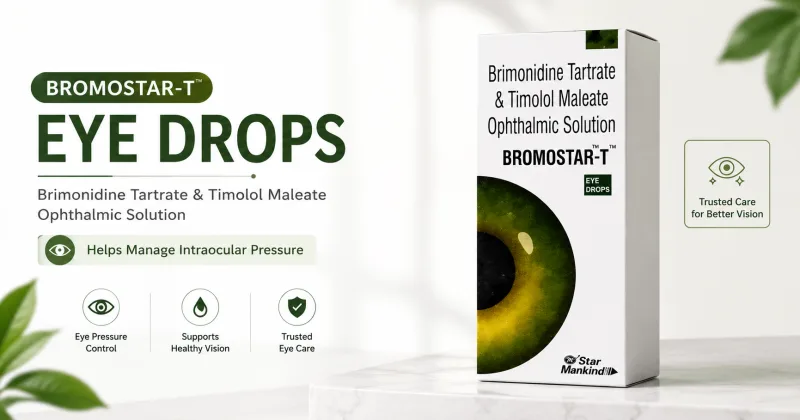
Bromostar-T Eye Drop 5ML is a prescription ophthalmic medicine containing Brimonidine 0.2% w/v and Timolol 0.5% w/v. It is used to lower increased pressure inside the eye and is commonly prescribed for conditions such as open-angle glaucoma and ocular hypertension. By helping control intraocular pressure, the medicine may help reduce the risk of pressure-related optic nerve damage and support long-term vision care.
Bromostar-T Eye Drop should be used only according to the instructions given by an ophthalmologist or other qualified healthcare professional. Glaucoma and ocular hypertension may not always cause noticeable symptoms in the early stages, so regular eye examinations and pressure monitoring remain important. For general information about glaucoma and eye health, you can visit the National Eye Institute glaucoma information.
What Is Bromostar-T Eye Drop 5ML?
Bromostar-T Eye Drop 5ML is an ophthalmic solution containing two active medicines, Brimonidine and Timolol. These medicines work through different mechanisms to help reduce elevated intraocular pressure, or IOP.
Brimonidine belongs to a class of medicines known as alpha-2 adrenergic agonists. It helps lower eye pressure by reducing the production of aqueous humour and may also promote its drainage from the eye.
Timolol is a beta-blocker used in ophthalmology to reduce the production of aqueous humour. By lowering the amount of fluid produced inside the eye, it helps decrease intraocular pressure.
The combination of these two medicines provides a dual-action approach to pressure control. The product is available as a prescription eye drop and should not be used without appropriate medical advice.
Uses of Bromostar-T Eye Drop 5ML
Bromostar-T Eye Drop 5ML is primarily used to lower increased pressure inside the eye. It may be prescribed for adults with conditions such as open-angle glaucoma or ocular hypertension.
Open-Angle Glaucoma
Open-angle glaucoma is a condition in which increased pressure inside the eye can contribute to progressive damage to the optic nerve. Without appropriate management, glaucoma can result in gradual and irreversible vision loss.
Bromostar-T may help control intraocular pressure as part of a glaucoma treatment plan. Consistent use is important because glaucoma can progress even when a person does not experience obvious symptoms.
Ocular Hypertension
Ocular hypertension refers to higher-than-normal pressure inside the eye without the characteristic optic nerve damage associated with glaucoma. Some people with ocular hypertension may have an increased risk of developing glaucoma.
An ophthalmologist may prescribe pressure-lowering eye drops when the risk of future optic nerve damage is considered significant. The decision depends on individual risk factors and regular eye examination findings.
For additional information about glaucoma symptoms, diagnosis, and treatment, you can read the American Academy of Ophthalmology glaucoma resource.
How Does Bromostar-T Eye Drop Work?
Bromostar-T contains Brimonidine and Timolol, which reduce intraocular pressure through different actions.
Brimonidine helps reduce the production of aqueous humour and may also support the outflow of fluid from the eye. This contributes to a reduction in pressure within the eye.
Timolol reduces the formation of aqueous humour by acting on beta receptors in the eye. As less fluid is produced, the pressure inside the eye can decrease.
By combining these two mechanisms, Bromostar-T may provide more effective pressure control in appropriate patients than treatment with a single pressure-lowering medicine alone.
Benefits of Bromostar-T Eye Drop 5ML
The main benefit of Bromostar-T is its ability to help lower elevated intraocular pressure. Maintaining eye pressure within the target range prescribed by an ophthalmologist can help reduce the risk of progressive optic nerve damage.
- Helps lower increased pressure inside the eye.
- May be used in the management of open-angle glaucoma.
- May be prescribed for ocular hypertension.
- Combines two pressure-lowering medicines in one ophthalmic formulation.
- Helps support long-term management of eye pressure.
- May help reduce the risk of pressure-related optic nerve damage when used as prescribed.
The medicine does not reverse existing optic nerve damage caused by glaucoma. Its primary role is to help control eye pressure and reduce the risk of further progression. Regular follow-up with an eye specialist is therefore an important part of treatment.
How to Use Bromostar-T Eye Drop 5ML
Use Bromostar-T Eye Drop exactly as prescribed by your ophthalmologist. The number of drops and frequency of application depend on your individual condition and treatment plan.
Before applying the drops, wash your hands thoroughly. Tilt your head back and gently pull down your lower eyelid to create a small pocket. Hold the bottle close to the eye without allowing the dropper tip to touch your eye, eyelids, eyelashes, or any other surface.
Instil the prescribed number of drops into the affected eye. Close your eye gently after applying the medicine and avoid blinking excessively. You may gently press the inner corner of your eye near the nose for about one to two minutes to reduce drainage of the medicine into the tear duct.
Replace the cap immediately after use and keep the bottle properly closed. Never share your eye drops with another person, even if they have similar symptoms.
Important Tips While Applying Bromostar-T Eye Drop
- Wash your hands before and after applying the eye drops.
- Do not allow the dropper tip to touch the eye or other surfaces.
- Do not rub your eyes immediately after applying the drops.
- Keep the bottle tightly closed when not in use.
- Follow the exact dosing schedule recommended by your ophthalmologist.
- Do not stop treatment suddenly without medical advice.
- If using multiple eye drops, maintain the recommended gap between medicines.
If you use more than one type of eye drop, your doctor or pharmacist may recommend waiting approximately 5 to 10 minutes between different ophthalmic medicines. Eye ointments are generally applied after eye drops unless your healthcare professional gives different instructions.
What If You Miss a Dose?
If you forget to use Bromostar-T at the scheduled time, apply the missed dose when you remember, unless it is almost time for your next scheduled dose.
If the next dose is due soon, skip the missed dose and continue with your regular treatment schedule. Do not apply extra drops to compensate for a missed dose.
Try to use the eye drops at approximately the same times each day. Consistency is particularly important when treating glaucoma or ocular hypertension because maintaining appropriate eye pressure is an ongoing process.
Possible Side Effects of Bromostar-T Eye Drop
Like other medicines, Bromostar-T may cause side effects in some people. Many side effects are mild and temporary, but it is important to inform your doctor if symptoms persist or become troublesome.
Possible side effects may include burning or stinging after application, eye redness, itching, irritation, dryness, blurred vision, or a sensation of something being present in the eye.
Some people may also experience headache, tiredness, sleepiness, or decreased alertness. Temporary blurred vision after applying eye drops may affect the ability to drive or operate machinery.
If you experience severe eye pain, sudden changes in vision, significant swelling, difficulty breathing, fainting, or other serious symptoms, seek medical attention promptly.
Precautions Before Using Bromostar-T
Before starting Bromostar-T Eye Drop, tell your doctor about your complete medical history and all medicines you are currently taking.
Special care may be required in people with asthma, severe chronic obstructive pulmonary disease, slow heart rate, heart failure, certain heart rhythm problems, low blood pressure, diabetes, thyroid disorders, or circulation problems.
Because Timolol is a beta-blocker, some of the medicine may be absorbed into the bloodstream after application. This means that people with certain heart or breathing conditions may require additional medical evaluation before using the medicine.
Tell your ophthalmologist if you have ever experienced an allergic reaction to Brimonidine, Timolol, or any other ingredient in the eye drop formulation.
Bromostar-T Eye Drop and Contact Lenses
Contact lenses should generally be removed before applying Bromostar-T Eye Drop. Some ophthalmic formulations contain preservatives that may be absorbed by soft contact lenses and potentially cause irritation.
Follow your doctor's or product label's instructions regarding how long to wait before putting contact lenses back into your eyes. If you experience persistent irritation while wearing contact lenses, discuss the issue with your eye specialist.
Bromostar-T Eye Drop and Other Medicines
Tell your doctor about all prescription medicines, over-the-counter medicines, vitamins, and supplements you are using. This is particularly important if you take medicines that affect blood pressure, heart rate, or the cardiovascular system.
Additional caution may be required when Bromostar-T is used with other beta-blockers, certain blood pressure medicines, cardiac medicines, or specific antidepressants. Your healthcare professional can determine whether any adjustments or additional monitoring are required.
If you are using other eye drops, inform your ophthalmologist. The timing of different eye medicines may need to be separated to ensure appropriate administration.
For general information about glaucoma medicines and treatment, you can also explore the National Eye Institute information on glaucoma treatment.
Bromostar-T Eye Drop During Pregnancy and Breastfeeding
If you are pregnant, planning to become pregnant, or breastfeeding, inform your doctor before using Bromostar-T Eye Drop.
Your healthcare professional will consider the potential benefits and risks before recommending treatment. Do not start or stop prescription eye medicines during pregnancy or breastfeeding without discussing the decision with your doctor.
Bromostar-T Eye Drop and Driving
Bromostar-T may temporarily cause blurred vision or other visual discomfort immediately after application. If your vision becomes blurred, wait until your vision returns to normal before driving or operating machinery.
If blurred vision continues for a prolonged period or is accompanied by severe eye pain or sudden changes in vision, contact your eye specialist for advice.
Storage Information
Store Bromostar-T Eye Drop according to the instructions provided on the product packaging. Keep the bottle tightly closed when not in use and protect it from excessive heat and direct sunlight.
Do not freeze the medicine unless the product label specifically instructs otherwise. Keep the bottle out of reach of children.
Do not use the eye drops after the expiry date. If the solution changes colour, becomes cloudy, or appears contaminated, consult your pharmacist before using it.
Why Regular Eye Check-Ups Are Important
Glaucoma can progress slowly and may not cause noticeable symptoms during its early stages. Some people may not realise that their peripheral vision is being affected until significant damage has occurred.
Regular eye examinations allow an ophthalmologist to monitor intraocular pressure, assess the optic nerve, and evaluate changes in the visual field. These checks can help determine whether the current treatment is controlling the condition effectively.
Using eye drops consistently is only one part of glaucoma management. Regular follow-up appointments and adherence to the treatment plan are equally important for protecting long-term vision.
Frequently Asked Questions About Bromostar-T Eye Drop 5ML
What is Bromostar-T Eye Drop 5ML used for?
Bromostar-T Eye Drop 5ML is a prescription eye medicine used to lower increased intraocular pressure. It may be prescribed for conditions such as open-angle glaucoma and ocular hypertension.
What are the ingredients in Bromostar-T Eye Drop?
Bromostar-T Eye Drop contains Brimonidine 0.2% w/v and Timolol 0.5% w/v. These two medicines work through different mechanisms to help reduce pressure inside the eye.
Can Bromostar-T cure glaucoma?
Bromostar-T helps control increased eye pressure but does not cure glaucoma or reverse existing optic nerve damage. Regular use as prescribed may help reduce the risk of further pressure-related damage.
Can I stop Bromostar-T when my eye pressure improves?
Do not stop using Bromostar-T without consulting your ophthalmologist. Eye pressure may increase again after stopping treatment, even when you do not notice any symptoms.
Can I wear contact lenses while using Bromostar-T?
Contact lenses should generally be removed before applying the eye drops. Follow your doctor's or product label's instructions regarding when contact lenses can be safely reinserted.
Can Bromostar-T cause blurred vision?
Temporary blurred vision may occur after applying the eye drops. Avoid driving until your vision becomes clear. Contact your doctor if blurred vision persists or is accompanied by other concerning symptoms.
What should I do if I miss a dose?
Apply the missed dose when you remember unless it is nearly time for your next scheduled dose. If the next dose is due soon, skip the missed dose and continue with your regular schedule. Do not double the dose.
Can I use Bromostar-T with other eye drops?
Other eye drops may sometimes be used alongside Bromostar-T, but your ophthalmologist should know about all eye medicines you use. A suitable time gap may be required between different eye drops.
Disclaimer
This article is intended for general informational and educational purposes only. It does not replace professional medical advice, diagnosis, or treatment. Bromostar-T Eye Drop 5ML is a prescription medicine and should be used only under the supervision of a qualified healthcare professional or ophthalmologist. Do not start, stop, or change the dosage without medical advice. The information provided here may not include every possible warning, contraindication, drug interaction, or side effect. Always read the product packaging and follow the instructions provided by your healthcare professional. For additional general information about eye health and glaucoma, visit the National Eye Institute.