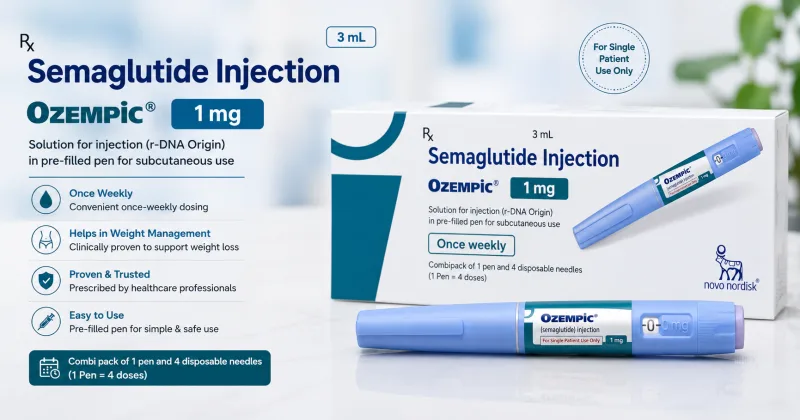
Managing type 2 diabetes often requires a combination of healthy eating, regular physical activity, lifestyle changes, and medicines prescribed by a healthcare professional. Some people may need injectable medicines when blood sugar levels are not adequately controlled with their existing treatment plan. Ozempic 1mg Injection is a prescription medicine containing semaglutide, which belongs to a group of medicines known as GLP-1 receptor agonists.
Ozempic 1mg Injection is used along with diet and exercise to help improve blood sugar control in adults with type 2 diabetes. In eligible adults with type 2 diabetes, it may also be prescribed to reduce the risk of certain major cardiovascular events and to reduce the risk of worsening kidney disease, kidney failure, and cardiovascular death in people with type 2 diabetes and chronic kidney disease. The medicine should be used only under the supervision of a qualified healthcare professional. Learn more about Ozempic through the official product information.
What Is Ozempic 1mg Injection?
Ozempic 1mg Injection contains semaglutide as its active ingredient. It is administered as a subcutaneous injection, meaning it is injected under the skin. Ozempic is available in different strengths, and the 1 mg dose is generally reached after the patient has already been receiving a lower dose as part of the prescribed dose-escalation schedule.
Semaglutide works by acting similarly to a naturally occurring hormone called GLP-1. This helps regulate blood glucose levels through several mechanisms, including increasing insulin release when blood glucose levels are elevated and reducing glucagon secretion. It also slows gastric emptying, which can affect appetite and digestion.
Ozempic is a prescription medicine and should not be started, stopped, or adjusted without medical advice. The suitability of the treatment depends on a person's medical history, current medicines, blood sugar control, and other health conditions.
Uses of Ozempic 1mg Injection
Ozempic 1mg Injection is primarily used as part of the treatment plan for adults with type 2 diabetes mellitus. It is used together with diet and exercise to improve glycemic control and help manage blood glucose levels.
For certain adults with type 2 diabetes and established cardiovascular disease, Ozempic may also be prescribed to reduce the risk of major cardiovascular events such as heart attack, stroke, or cardiovascular death. The medicine also has an indication for reducing the risk of sustained kidney function decline, end-stage kidney disease, and cardiovascular death in eligible adults with type 2 diabetes and chronic kidney disease.
It is important to understand that Ozempic is not a treatment for type 1 diabetes and is not intended to treat diabetic ketoacidosis. It should only be used for conditions for which it has been prescribed by a healthcare professional. The FDA medicines information provides general information about prescription medicines and their safe use.
How Does Ozempic 1mg Injection Work?
Ozempic contains semaglutide, a GLP-1 receptor agonist. GLP-1 is a hormone involved in the regulation of blood glucose levels and appetite. Semaglutide helps the body release insulin when blood sugar levels are elevated and reduces the release of glucagon, a hormone that can increase blood glucose.
The medicine also slows the movement of food through the stomach. This may contribute to changes in appetite and food intake in some people. Because Ozempic affects several processes involved in glucose regulation, it is used as part of a broader diabetes management plan that includes diet and physical activity.
The response to treatment can vary from person to person. Your doctor may monitor your blood glucose levels and overall response to treatment before deciding whether your dose needs to be adjusted.
Ozempic 1mg Injection Dosage
The dosage of Ozempic is usually increased gradually to help the body adjust to the medicine. Treatment is generally started at a lower dose of 0.25 mg once weekly. After at least four weeks, the dose may be increased to 0.5 mg once weekly. If additional blood sugar control is needed, the dose may be increased to 1 mg once weekly after the patient has received 0.5 mg for at least four weeks.
The 1 mg dose should not be considered a starting dose for new patients unless specifically directed by a healthcare professional. The dose-escalation schedule is designed to reduce the risk of gastrointestinal side effects and should be followed exactly as prescribed.
Ozempic is administered once weekly, on the same day each week if possible. It may be taken at any time of day and with or without meals. The injection is given under the skin of the abdomen, thigh, or upper arm. Your healthcare professional should show you the correct injection technique before you use the pen yourself. The official Ozempic prescribing information provides detailed information about approved dosing and administration.
What If You Miss an Ozempic Dose?
If you miss a scheduled dose of Ozempic, the appropriate action depends on how much time has passed since the missed dose. According to prescribing information, a missed dose may be administered within five days after the scheduled dose.
If more than five days have passed, the missed dose should generally be skipped and the next dose should be taken on the regularly scheduled day. Do not take two doses close together to make up for a missed injection.
If you are uncertain about what to do after missing a dose, contact your doctor or pharmacist. Keeping a regular weekly schedule or setting a reminder can help make it easier to remember your injection day.
Common Side Effects of Ozempic 1mg Injection
Like all prescription medicines, Ozempic may cause side effects. The most commonly reported side effects include nausea, vomiting, diarrhoea, abdominal pain, and constipation. These effects may be more noticeable when treatment is first started or when the dose is increased.
Some gastrointestinal symptoms may improve as the body becomes accustomed to the medicine. Eating smaller meals and avoiding foods that worsen nausea may be helpful for some individuals, but any persistent or troublesome symptoms should be discussed with a healthcare professional.
Severe or ongoing vomiting or diarrhoea can sometimes lead to dehydration. If you cannot keep fluids down or experience symptoms such as dizziness, weakness, or significantly reduced urination, seek medical advice promptly.
For general information about diabetes management and healthy lifestyle habits, you can also explore the CDC diabetes information.
Serious Side Effects and Important Warnings
Ozempic has important safety warnings that should be discussed with a healthcare professional before treatment. The medicine carries a boxed warning about the risk of thyroid C-cell tumours observed in animal studies. It is not known whether Ozempic causes these tumours in humans.
Ozempic should not be used by people with a personal or family history of medullary thyroid carcinoma (MTC) or by individuals with Multiple Endocrine Neoplasia syndrome type 2 (MEN 2). Tell your doctor if you have any relevant personal or family medical history before starting treatment.
Seek medical attention if you develop symptoms that may suggest a serious reaction, such as a lump or swelling in the neck, difficulty swallowing, difficulty breathing, or persistent hoarseness.
Ozempic and Pancreatitis
Inflammation of the pancreas, known as pancreatitis, has been reported with medicines in the GLP-1 receptor agonist class. Severe and persistent abdominal pain, sometimes radiating to the back and accompanied by vomiting, may be a warning sign.
If you develop severe abdominal pain that does not go away, contact your healthcare professional promptly. Do not ignore symptoms that are intense, persistent, or unusual.
Ozempic and Gallbladder Problems
Gallbladder-related problems, including gallstones and inflammation of the gallbladder, have been reported in people using Ozempic. Symptoms may include upper abdominal pain, fever, nausea, vomiting, or yellowing of the skin or eyes.
If you experience symptoms that may indicate a gallbladder problem, seek medical advice. Your healthcare provider may recommend appropriate evaluation based on your symptoms and medical history.
Precautions Before Using Ozempic 1mg Injection
Before starting Ozempic, inform your doctor about all your existing health conditions and medicines. It is especially important to discuss any history of pancreatitis, kidney problems, diabetic eye disease, gallbladder disease, or severe gastrointestinal problems.
Tell your healthcare provider if you are taking insulin or medicines known as sulfonylureas. Using these medicines together with Ozempic may increase the risk of low blood sugar, and your doctor may need to adjust your treatment plan.
Ozempic can also affect the absorption of some oral medicines because it slows gastric emptying. Always provide your doctor with a complete list of prescription medicines, over-the-counter medicines, vitamins, and supplements you are taking.
Ozempic and Diabetic Retinopathy
People with diabetes may already have an increased risk of diabetic eye disease. In some patients, particularly those with a history of diabetic retinopathy, changes in blood glucose levels during treatment may be associated with worsening of diabetic retinopathy complications.
If you have a history of diabetic retinopathy or experience changes in vision while using Ozempic, inform your healthcare professional. Regular eye examinations may be recommended as part of your diabetes care plan.
Ozempic During Pregnancy and Breastfeeding
If you are pregnant, planning to become pregnant, or breastfeeding, speak with your healthcare professional before using Ozempic. Semaglutide has a long period of persistence in the body, and the prescribing information recommends discontinuing Ozempic in women at least two months before a planned pregnancy.
Do not stop diabetes treatment on your own if you become pregnant. Contact your doctor promptly so that your diabetes management plan can be reviewed and adjusted safely if necessary.
Ozempic and Surgery or Anesthesia
Ozempic slows gastric emptying, which may have implications for some surgical procedures involving general anesthesia or deep sedation. There have been reports of pulmonary aspiration during such procedures in people taking GLP-1 receptor agonists.
If you are scheduled for surgery, endoscopy, or another procedure requiring anesthesia or deep sedation, inform your surgeon, anesthesiologist, and other healthcare professionals that you are using Ozempic. They can provide appropriate instructions regarding your medicine before the procedure.
How to Store Ozempic Injection
Ozempic pens should be stored according to the manufacturer's instructions. Before using the medicine, check the packaging and pen for any signs of damage or unusual appearance. Do not use the product if it has been stored incorrectly or if you are unsure about its quality.
Keep Ozempic out of the reach of children and do not share your injection pen with another person, even if the needle has been changed. Each pen is intended for use by one person only.
Because counterfeit Ozempic products have been identified in some markets, patients should obtain the medicine only through legitimate, licensed pharmacies and authorised supply channels. The FDA Drug Safety and Availability resource provides information about medicine safety alerts and related concerns.
Frequently Asked Questions About Ozempic 1mg Injection
What is Ozempic 1mg Injection used for?
Ozempic 1mg Injection contains semaglutide and is used along with diet and exercise to improve blood sugar control in adults with type 2 diabetes. In eligible patients, it may also be used to reduce certain cardiovascular and kidney-related risks.
Is Ozempic 1mg Injection used for weight loss?
Ozempic is primarily approved for specific uses in adults with type 2 diabetes. Although semaglutide treatment can lead to weight loss in some people, Ozempic should not be used for weight management unless directed by a qualified healthcare professional. Different semaglutide products have different approved indications.
How often is Ozempic 1mg Injection given?
Ozempic is administered once weekly. The exact dose and schedule should be determined by your healthcare professional. The 1 mg dose is generally reached after gradual dose escalation from lower doses.
Can I take Ozempic every day?
No. Ozempic injection is designed for once-weekly administration, not daily use. Taking the medicine more frequently than prescribed may increase the risk of side effects and should be avoided.
Can Ozempic be used with insulin?
Ozempic may be prescribed alongside certain diabetes medicines, including insulin, in some patients. However, combining treatments can increase the risk of low blood sugar, so the treatment plan should be managed by a healthcare professional.
What should I do if Ozempic causes severe nausea or vomiting?
If nausea or vomiting is severe, persistent, or prevents you from drinking enough fluids, contact your healthcare professional. Severe gastrointestinal symptoms may lead to dehydration and may require medical evaluation.
Who should not use Ozempic?
Ozempic should not be used by people with a personal or family history of medullary thyroid carcinoma or by individuals with Multiple Endocrine Neoplasia syndrome type 2. It should also not be used by anyone with a serious hypersensitivity reaction to semaglutide or any of its ingredients.
Disclaimer
This article is intended for general informational and educational purposes only. It does not replace professional medical advice, diagnosis, or treatment. Ozempic 1mg Injection is a prescription medicine and should be used only under the supervision of a qualified healthcare professional. Do not start, stop, or change the dose of Ozempic without consulting your doctor. The information in this article may not apply to every individual and does not include all possible warnings, drug interactions, or side effects. Always read the official prescribing information and discuss your medical history and current medicines with your healthcare provider before treatment.